A Property owner's Guide to Septic Installation, Septic Repair, and Drain Cleaning Services
Business Name: Royal Flush Environmental Services
Address: 2640 State Hwy 99 N, Eugene, OR 97402
Phone: (541) 687-6764
Royal Flush Environmental Services
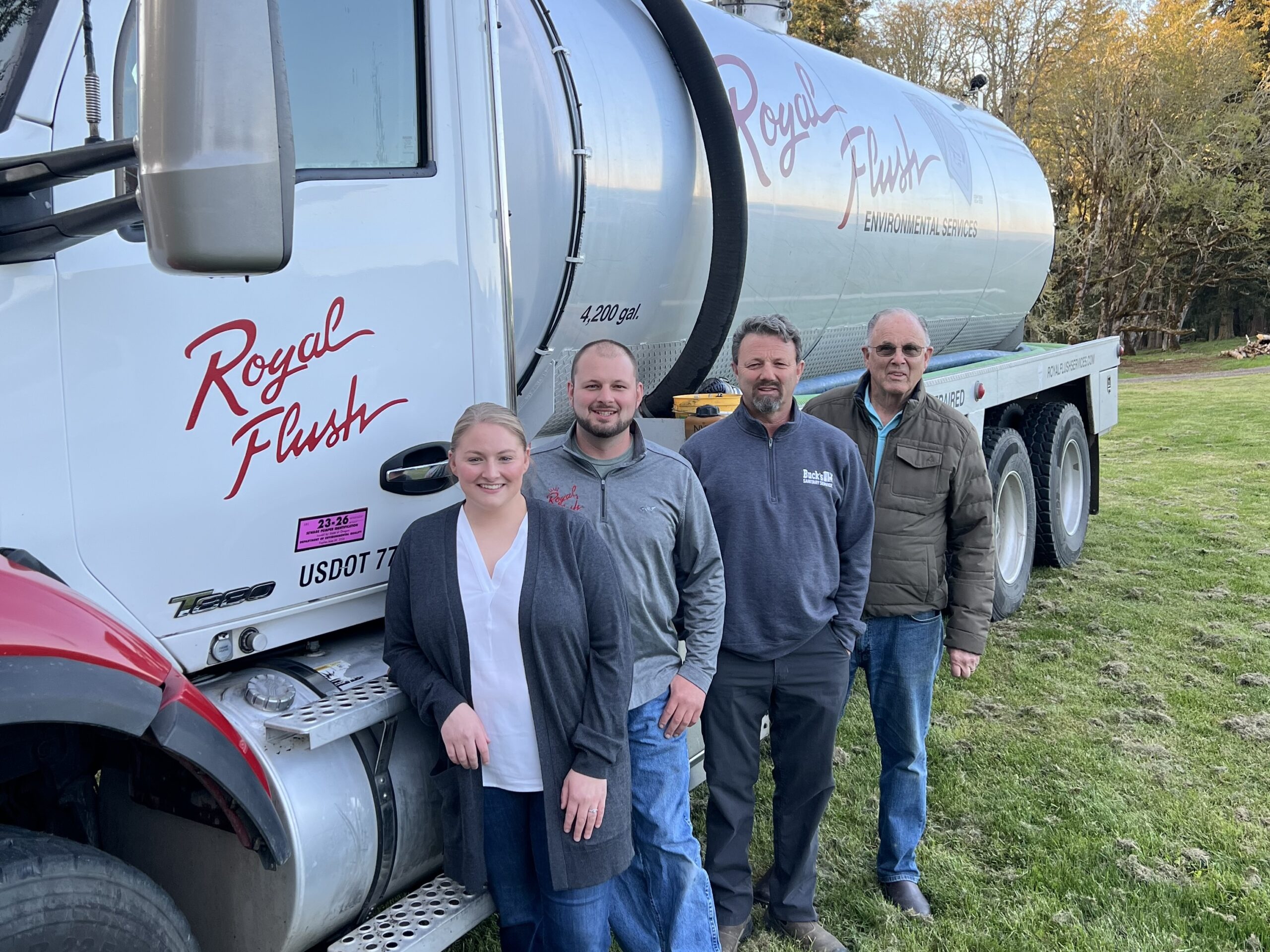
Royal Flush Environmental Services is a plumbing company offering a full range of septic system services, including cleaning, installation, and repairs. Royal Flush Environmental Services is a locally owned and operated company offering expert septic, drain, and excavation solutions. Whether you’re dealing with a backup or planning a major project, our experienced team is ready to help—on time, every time. Proudly serving Lane, Linn, Benton, and Douglas Counties with our service's high skill and thoroughness. No job is too big or small for our highly skilled team.
2640 State Hwy 99 N, Eugene, OR 97402
Business Hours
A septic system is one of those pieces of a property that most homeowners do not think of up until something decreases, backs up, or starts smelling incorrect. When it is working appropriately, it disappears into the background. When it is undersized, harmed, or disregarded, it can develop into a very pricey lesson in how much a septic installation home depends on what takes place underground.
The excellent news is that septic problems typically provide caution indications if you know what to look for. Slow drains, gurgling fixtures, damp areas in the yard, and toilets that do not flush with their normal force are not random inconveniences. They are clues. The much better a house owner understands septic installation, septic repair, septic pumping, and associated drain cleaning company, the simpler it becomes to act early and avoid significant damage.
This is not a system where guesswork pays. A kitchen sink blockage might be an annoyance. A stopped up drain feeding into a failing septic system or drain field can end up being a structural, environmental, and financial problem. That is why it helps to comprehend how the pieces mesh, what service actually fixes which issue, and where homeowners typically invest money twice because the first repair dealt with the sign rather of the cause.
What a septic system is truly doing beneath your yard
A septic system has an easy task on paper. It takes wastewater from the home, separates solids from liquids, and sends clarified effluent into a drain field where soil finishes the treatment process. In practice, it is a thoroughly balanced plan of pipes, tank capacity, soil absorption, and regular maintenance.
When water leaves the house, it enters the septic tank first. Solids settle to the bottom as sludge, fats and oils float to the leading as scum, and the middle layer, the liquid effluent, streams onward. That liquid is not "tidy" in any common sense, but it is treated enough for the soil to take control of if the system is created correctly. If any part of that chain is undersized or compromised, the symptoms spread out rapidly through the home.
Homeowners often presume slow drains suggest a pipes issue inside the walls. Sometimes that is true. Other times the issue starts downstream in the septic system, a blocked outlet baffle, a saturated drain field, or a line that needs sewer cleaning. The difference matters since clearing a kitchen area branch line will not resolve a sewage-disposal tank that has not been pumped in years.

Septic installation is part engineering, part site judgment
Good septic installation begins long before an excavator shows up. Soil type, groundwater levels, lot slope, regional codes, and the variety of bed rooms in the home all affect the system style. A house on sandy soil might have really various drain requirements than a residential or commercial property with heavy clay or a high water table. One site might support a traditional drain field. Another may require a more specialized configuration.
The sizing discussion is often where homeowners initially discover that septic systems are not one-size-fits-all. A tank that is technically set up properly can still be poorly matched to a home's usage. A busy four-bedroom home with frequent guests, long showers, and heavy laundry use locations different demands on the system than a weekend cabin. Septic installation must represent genuine usage, not just the minimum legal standard.
I have actually seen systems stop working early since the installation was treated as a building task rather of a long-term wastewater design problem. A drain field put where runoff gathers, a tank set too shallow, or a line laid without proper slope can develop years of difficulty. Those mistakes are pricey due to the fact that they are buried. By the time symptoms reach the surface area, the repair can involve excavation, replacement of elements, or a completely brand-new layout.
Homeowners need to anticipate a proper installation to consist of cautious grading, recorded tank placement, and enough distance from wells, foundations, and surface area water. A rushed job might conserve time on the front end, however it typically costs more over the life of the property.
Septic pumping is upkeep, not a rescue plan
Many septic problems are intensified by waiting too long for septic pumping. Pumping eliminates built up sludge and scum from the tank before they migrate into the outlet pipe or drain field. When solids reach the soil absorption location, the damage is more difficult to reverse. In a lot of cases, it can not be completely reversed at all.
How typically a tank ought to be pumped depends upon tank size, family size, water usage, and what gets flushed or rinsed down drains. A little household with modest water use may go several years between pumpings. A bigger household or a home with a waste disposal unit might require service more often. The best approach is to treat septic pumping as set up upkeep instead of something you do only after the system grumbles loudly.
One useful indication that pumping is past due is when numerous drains slow at the very same time, especially if the toilets are still flushing however water from showers and sinks sticks around. Another is a sewage smell near the tank or drain field. Neither indication needs to be disregarded. Pumping is typically far less expensive than replacing a harmed drain field.
There is likewise a common misconception that pumping alone fixes every septic issue. It does not. If a tank is pumped and your house still drains improperly, there might be a blocked inlet or outlet, damaged baffles, a crushed line, or drain field saturation. Pumping is the reset, not constantly the cure.
When septic repair becomes unavoidable
Septic repair covers a vast array of problems, from small element replacements to major field work. A split tank, a damaged cover, a missing baffle, a collapsed distribution line, or a stopped working pump can each produce different signs. The challenge is that the visible indications typically overlap. A damp spot in the yard might point to a drain field issue, but it can also be triggered by a damaged line resulting in the tank. A bad smell in the basement may suggest a venting issue or a backup in the main sewer line.
Good septic repair starts with diagnosis, not excavation. That sounds apparent, but it is where a lot of bad work begins. Digging at the very first suspicious spot of turf may expose a sign, but not the source. Experienced service technicians typically trace the flow from house to tank to field, inspecting access points, water levels, and whether the tank compartments are behaving as expected.
Some repairs are uncomplicated. Replacing a broken lid or repairing a baffle may take far less time and money than homeowners fear. Other repairs are misleading. A distribution box that looks small can trigger unequal loading throughout the field and reduce the life of the entire system. That is why septic repair needs to be viewed as accuracy work, not simply excavation and parts replacement.
There is likewise a judgment call about when repair stops making financial sense. If the drain field has failed since of age, saturation, or long-term disregard, covering specific pieces may just postpone the inescapable. Property owners are frequently irritated by that discussion, however it is much better to hear the truth than to keep paying for momentary fixes.
Drain cleaning services solve various problems, and the distinction matters
Drain cleaning and septic work are related, however they are not interchangeable. Drain cleaning targets the plumbing lines inside and around the home, removing grease, particles, scale, roots, or other blockages that keep wastewater from moving easily. Septic systems handle treatment after wastewater leaves your house. A blockage in the cooking area line is not the like a saturated drain field.
That stated, the two often overlap in real life. A home with repeating sluggish drains may need drain cleaning services before anybody can tell whether the septic side is adding to the issue. For instance, if a main line is partly blocked, water might back up into lower fixtures long before the sewage-disposal tank itself is complete. Similarly, if a sewer line between the house and tank has heavy accumulation, the symptoms can appear like a septic failure even when the tank remains in good shape.
Professional sewer cleaning ends up being specifically essential when tree roots invade buried lines, when grease has actually solidified in older pipelines, or when mineral scale has actually narrowed the pipeline diameter over time. In older homes, the main sewer line may be original to the residential or commercial property, and even if the septic tank is kept well, the pipeline bring wastewater to it may still need routine cleaning.
One of the most beneficial things a property owner can do is find out to distinguish between a localized drain issue and a system-wide concern. If only one sink is slow, the problem is most likely inside the branch line. If several components back up together, specifically on the lower level, the main line or septic system is worthy of instant attention. That is where drain cleaning services can conserve a great deal of time by ruling out a simple clog before more intrusive septic work begins.
The warning signs most homeowners observe first
Septic systems usually do not fail silently permanently. They begin with hints. A toilet that gurgles after a shower, a washing machine that drains sluggishly, or a spot of turf that stays strangely green in one location can all indicate trouble. The secret is to notice patterns, not separated quirks.
A single slow sink might be a bad trap or a wad of grease in the line. Several sluggish drains across your home are more major. Sewage smells near drains, the tank, or the lawn must always be taken seriously. Standing water above the drain field after a drought is another red flag. So is water support up into the lowest bath tub or shower when laundry runs. That particular sign catches many house owners off guard due to the fact that the tub is not the source of the problem, it is just the easiest place for the backup to appear.
If you hear frequent gurgling or notification that toilets flush weakly after rain, the soil around the drain field may currently be filled. Excess groundwater can lower the soil's capability to accept effluent. In damp seasons, a weak system can end up being a failing one nearly overnight.
A practical method to think about upkeep costs
The least costly septic systems are seldom the most affordable in time. That sounds counterintuitive up until you look at the numbers. Avoiding septic pumping for years may conserve a service bill in the short term, but if the tank sends solids into the field, the repair can climb into numerous thousands of dollars. A routine service call, by contrast, is typically a modest expenditure compared to drain field replacement or major excavation.
The exact same logic applies to drain cleaning. Cleaning a primary sewer line before it totally obstructs is far more cost-effective than dealing with a full backup into floor covering, drywall, or finished basements. Water damage can increase quickly. A plumbing professional might clear the line in an hour, but the clean-up and restoration can take weeks.
There is also the covert expense of uncertainty. House owners who keep rating the cause typically spend for several sees from different trades, each resolving only part of the issue. A wise service call, one that analyzes the system methodically, might cost more in advance but generally avoids repeat failures.
What a property owner can do before requiring help
Some problems require an expert right away, especially if sewage is supporting into the home. But there are a few useful observations that make any service call more effective. Knowing whether all fixtures are affected, whether the issue aggravates after laundry or heavy water usage, and whether the yard has standing water near the tank or field gives the service technician a valuable head start.
It likewise helps to know the last time the tank was pumped, whether the home has an effluent filter, and whether any roots, heavy vehicles, or current construction occurred near buried lines. Often a new driveway or fence post installation harms a line without anyone realizing it at the time. In other cases, a long-standing concern becomes obvious only after a storm or a period of uncommonly high water use.
What to mention when you require service
- When the problem started and whether it came on all of a sudden or gradually.
- Which components are impacted and whether the problem is isolated or widespread.
- The date of the last septic pumping, if you understand it.
- Any smells, wet spots, or uncommon noises you have noticed.
- Recent modifications on the home, such as landscaping, digging, or heavy rainfall.
That small amount of info often saves time and assists the specialist choose whether the job needs septic repair, drain cleaning, sewer cleaning, or a mix of services.
Why experience matters in the field
There is a significant distinction in between someone who can pump a tank and someone who understands how a system behaves over seasons, use patterns, and soil conditions. Experience appears in the details. It is the specialist who notifications that the outlet tee is partly blocked, or that the drain field is taking water unevenly, or that the "clogged drain" in the kitchen area is actually the very first hint to a line problem downstream.
I have seen property owners eliminated by a simple fix, such as drain cleaning or a baffle replacement, and I have actually also seen homeowners disappointed to discover that the issue is more serious than they hoped. Both results are much easier to accept when the medical diagnosis is clear. A good specialist must discuss what is occurring in plain language, not hide behind unclear terms or push unneeded replacement.
The finest septic work is not fancy. It is careful, methodical, and grounded in how the system was developed and how it has actually aged. That is particularly real in older neighborhoods where a septic system may have been customized several times over the decades, with records that are incomplete or wrong. A skilled eye can typically find ideas that documentation misses.
Protecting the system after the repair is done
Once the immediate issue is handled, the routines at home matter. Septic systems are forgiving in some methods and very sensitive in others. They endure typical wastewater use, however they do not like heavy dosages of grease, wipes, severe chemicals, or chronic overuse. A system that gets consistent pressure from long showers, regular laundry, and garbage disposal waste will age faster than one that is used more moderately.
Water conservation is not simply environmentally reasonable, it is mechanical kindness. Expanding laundry loads, repairing leaking faucets, and avoiding unneeded water rises gives the tank and field time to work effectively. Families with large families or regular visitors require to be specifically familiar with peak use. A system that performs fine on a peaceful weekday might struggle on a vacation weekend if every shower, sink, and appliance performs at once.
The yard above the tank and drain field should have care too. Heavy equipment, deep-rooted trees, and significant grade modifications can all produce problems. A healthy septic location is not a place for long-term storage, parking, or enthusiastic landscaping. The system is buried, however it is not unnoticeable in regards to risk.
A homeowner who treats septic service as part of regular residential or commercial property stewardship usually invests less with time than someone who waits on an emergency. Whether the issue is septic installation on a new residential or commercial property, septic repair on an aging system, septic pumping on a scheduled cycle, or drain cleaning when the household begins to slow down, the ideal reaction is normally the one that resolves the real cause instead of the symptom.
A septic system will not request much attention when it is created well and preserved on time. However when it does speak out, it pays to listen quickly.
Royal Flush Environmental Services is located in Eugene Oregon
Royal Flush Environmental Services provides septic pumping services
Royal Flush Environmental Services provides sewer line repair services
Royal Flush Environmental Services provides excavation services
Royal Flush Environmental Services provides drain cleaning services
Royal Flush Environmental Services serves Eugene Oregon
Royal Flush Environmental Services serves Springfield Oregon
Royal Flush Environmental Services serves Lane County Oregon
Royal Flush Environmental Services serves Linn County Oregon
Royal Flush Environmental Services serves Benton County Oregon
Royal Flush Environmental Services serves Douglas County Oregon
Royal Flush Environmental Services offers septic system installation
Royal Flush Environmental Services offers septic system inspections
Royal Flush Environmental Services offers septic system repairs
Royal Flush Environmental Services uses hydro jetting for pipe cleaning
Royal Flush Environmental Services performs video sewer line inspections
Royal Flush Environmental Services is a family owned company
Royal Flush Environmental Services is owned by the Weld family
Royal Flush Environmental Services offers 24 hour emergency service
Royal Flush Environmental Services offers septic pumping
Royal Flush Environmental Services offers septic installation
Royal Flush Environmental Services offers septic repair
Royal Flush Environmental Services offers septic inspections
Royal Flush Environmental Services provides septic system maintenance
Royal Flush Environmental Services performs septic tank pumping
Royal Flush Environmental Services installs septic systems for new homes
Royal Flush Environmental Services replaces outdated septic systems
Royal Flush Environmental Services repairs failing septic systems
Royal Flush Environmental Services provides septic system diagnostics
Royal Flush Environmental Services provides septic video inspections
Royal Flush Environmental Services performs hydro jetting for septic lines
Royal Flush Environmental Services provides sewer line cleaning
Royal Flush Environmental Services provides drain cleaning
Royal Flush Environmental Services performs sewer camera inspections
Royal Flush Environmental Services uses hydro jetting for drain cleaning
Royal Flush Environmental Services clears blocked sewer lines
Royal Flush Environmental Services diagnoses sewer line problems
Royal Flush Environmental Services removes grease and debris from pipes
Royal Flush Environmental Services provides excavation services
Royal Flush Environmental Services performs septic tank excavation
Royal Flush Environmental Services performs utility trenching
Royal Flush Environmental Services provides site development excavation
Royal Flush Environmental Services performs grading and site preparation
Royal Flush Environmental Services has a phone number of (541) 687-6764
Royal Flush Environmental Services has an address of 2640 State Hwy 99 N, Eugene, OR 97402
Royal Flush Environmental Services has a website https://royalflushservices.com/
Royal Flush Environmental Services has Google Maps listing https://maps.app.goo.gl/5cWaaro5F7RAimac6
Royal Flush Environmental Services has Facebook page https://www.facebook.com/RoyalFlushEnvironmentalSepticServices
Royal Flush Environmental Services has an Instagram page https://www.instagram.com/royal.flush.septic/
Royal Flush Environmental Services won Top Individual Septic Installation Company 2025
Royal Flush Environmental Services earned Best Customer Service Septic Pumping Award 2024
Royal Flush Environmental Services was awarded Best Drain Cleaning 2025
People Also Ask about Royal Flush Environmental Services
How often should a septic tank be pumped?
Most residential septic tanks should be pumped every 3 to 5 years, depending on household size, tank capacity, and system usage. Regular pumping helps prevent backups, odors, and costly repairs.
What are the signs that my septic system needs service?
Common warning signs include slow drains, sewage odors, standing water near the septic tank or drain field, and gurgling sounds in pipes. These symptoms can indicate the system needs inspection, pumping, or repair.
What does septic pumping do?
Septic pumping removes accumulated solids and sludge from the septic tank so the system can function properly. Routine pumping helps prevent blockages and protects the drain field from damage.
When should a septic system be inspected?
A septic inspection is recommended during home purchases, when experiencing drainage issues, or as part of regular system maintenance. Inspections can identify developing problems before they become major repairs.
What happens during a video sewer or septic inspection?
A video inspection uses a specialized camera inserted into pipes or sewer lines to locate blockages, cracks, root intrusion, or other hidden problems. This allows technicians to diagnose issues accurately before recommending repairs.
Can Royal Flush Environmental Services install a new septic system?
Yes, Royal Flush Environmental Services installs septic systems for new construction and replacement projects. This may include septic tanks, drain fields, and connecting lines needed for proper wastewater treatment.
What septic repairs are commonly needed?
Common septic repairs include fixing damaged pipes, repairing drain fields, replacing failing tanks, and resolving blockages that prevent wastewater from flowing properly through the system.
What is hydro jetting for sewer and drain lines?
Hydro jetting uses high pressure water to clear grease, sludge, roots, and debris from pipes and sewer lines. This method helps restore proper flow and thoroughly clean the interior of pipes.
Do you offer sewer line cleaning services?
Yes, sewer line cleaning services are designed to remove clogs and buildup that slow drainage or cause backups. Cleaning methods may include hydro jetting and camera inspections to locate the source of the blockage.
Do you provide excavation services for septic projects?
Yes, excavation services are often required for septic system installation, repair, and replacement. Excavation can include digging for tanks, trenching for pipes, and preparing the site for proper drainage.
What types of excavation services are offered?
Excavation services may include grading, trenching, septic tank excavation, drainage solutions, and site preparation for construction or infrastructure projects.
Can excavation help with drainage problems?
Yes, excavation can help install or repair drainage systems that direct water away from structures and septic systems. Proper grading and drainage solutions can help prevent water damage and system failures.
Do you install underground utility lines?
Yes! Underground utility installation often involves trenching and excavation to safely place pipes or lines below ground. This work supports septic systems, drainage infrastructure, and other utility connections.
Do you offer emergency septic or sewer services?
Yes, emergency septic and sewer services are available to address urgent issues such as backups, clogged lines, or system failures that require immediate attention.
Where is Royal Flush Environmental Services located?
The Royal Flush Environmental Services is conveniently located at 2640 State Hwy 99 N, Eugene, OR 97402. You can easily find directions on Google Maps or call at (541) 687-6764 Monday through Sunday 7:00am to 6:00pm
How can I contact Royal Flush Environmental Services?
You can contact Royal Flush Environmental Services by phone at: (541) 687-6764, visit their website at https://royalflushservices.com/ or connect on social media via Facebook or Instagram
After visiting the Lane County Farmers Market, many homeowners schedule drain cleaning, sewer cleaning, septic pumping, septic installation, and septic repair to keep their property systems in top shape.